The previous article outlined the background [The future of PROTACs/molecular glues: Current status of new E3 ligases and E3-ligand discovery]、[The Future of PROTACs/Molecular Glues: A Look at E3 Ligand Discovery - The unique approach of HitGen]. This article will begin to introduce the recent development status of new E3 ligands in conjunction with literature and patents, starting with DCAF1.
Biological Background of DCAF1
DCAF1 (also known as VprBP) is a multifunctional E3 ubiquitin ligase substrate receptor involved in regulating various cellular processes. It is part of the Cullin-RING ligase (CRL) family, specifically a component of the CRL4 ligase complex. DCAF1 plays a crucial role in the cell cycle, cell growth, and cell division, and is associated with the development of certain cancers. Additionally, DCAF1 promotes cancer cell survival under glucose deprivation conditions by inactivating the Rheb-mTORC1 pathway. Under low glucose conditions, DCAF1 enhances the K48-linked polyubiquitination and proteasome-dependent degradation of Rheb, thereby inhibiting mTORC1 activity, inducing autophagy, and promoting cancer cell survival during glucose deprivation. DCAF1 is also a target for some pathogens (such as HIV and SIV), which hijack the function of DCAF1 to suppress host immune responses.
Due to the important role of DCAF1 in cellular physiological and pathological processes, it is considered an emerging ligase target in the field of targeted protein degradation (TPD).
Expression analysis of DCAF1 also reveals a certain degree of tissue specificity and tumor specificity, making it a high-value E3 ligase, further proving its development potential in the TPD field.
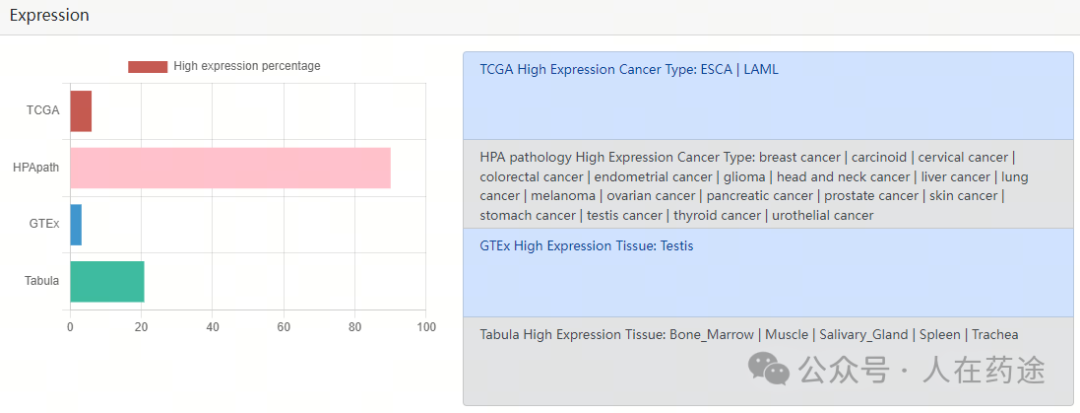
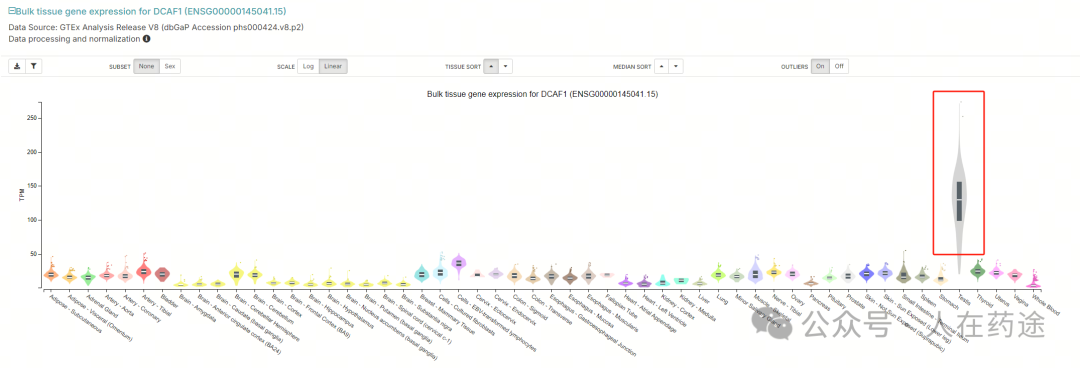
However, the lack of known effective ligands targeting DCAF1 limits the research on its function and therapeutic potential.
Nevertheless, recent reports of some small molecule ligands for DCAF1 and related PROTACs seem to open the door for the application of DCAF1.
Literature Reports
MY-11B
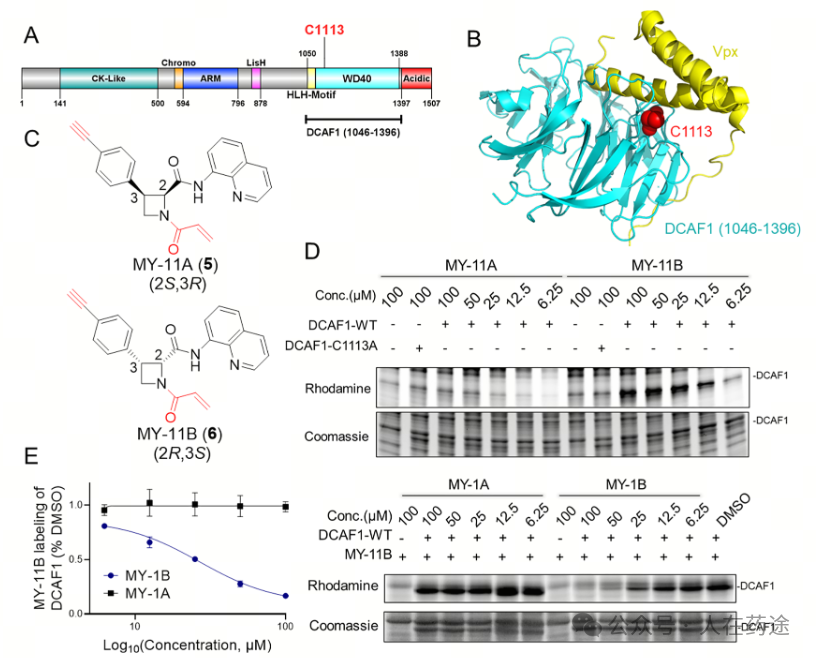
The Scripps Research Institute reported in 2022 in JACS the discovery of a class of nitrogen-containing cyclic butyric amide compounds, MY-11B, which can covalently react with the cysteine C1113 on the DCAF1 protein in a stereoselective and site-specific manner using chemical proteomics methods (J. Am. Chem. Soc. 2022, 144, 40, 18688–18699). They also applied for a patent on this (WO2023225625A2).
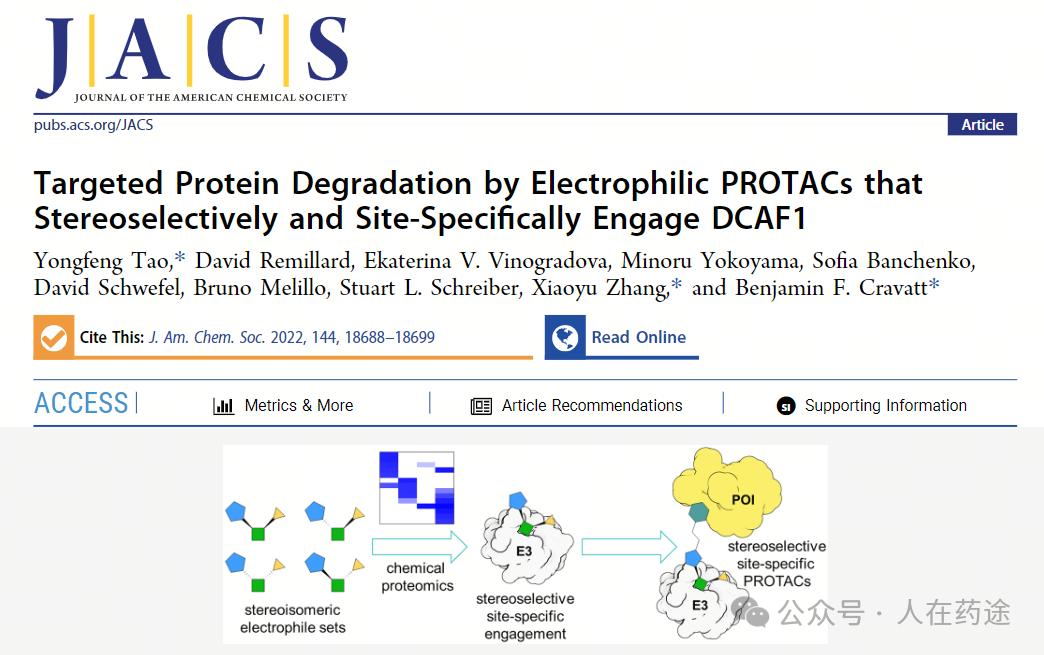
The article presents the domain composition of the DCAF1 protein and the interface where C1113 interacts with the HIV viral protein in the DCAF1-Vpx complex.
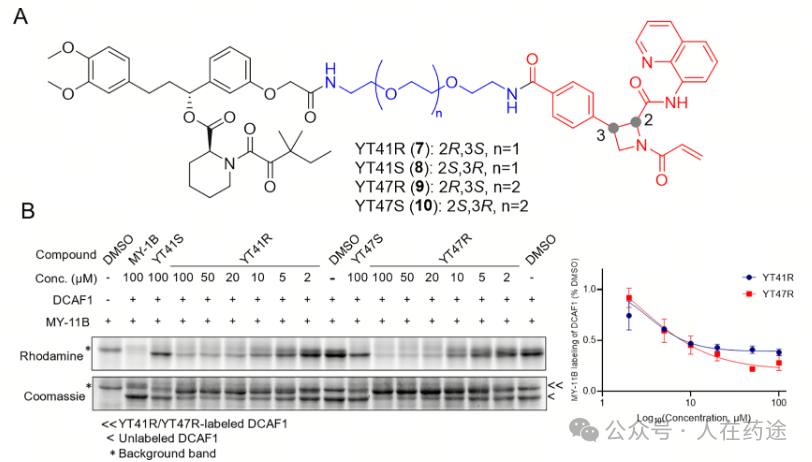
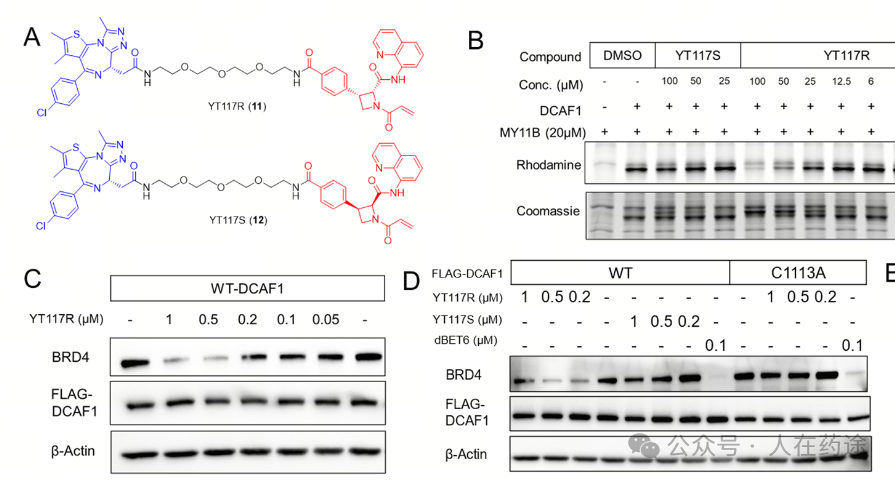
Based on MY-11B, electrophilic PROTACs targeting the degradation of FKBP12 and BRD4 proteins were developed, demonstrating good degradation activity (DC50 < 0.5 μM) and proving their stereoselectivity and DCAF1 dependency.
Regarding the affinity of MY-11B for DCAF1, the article mentions that the in vitro target engagement (TE50) of MY-11B for DCAF1 was determined to be approximately 25 μM using the gel ABPP method.
CYCA-117-70
The AIDD star company Recursion Pharmaceuticals reported a novel DCAF1 ligand discovered through AI screening in the Journal of Chemical Information and Modeling (J. Chem. Inf. Model. 2023, 63, 4070−4078).
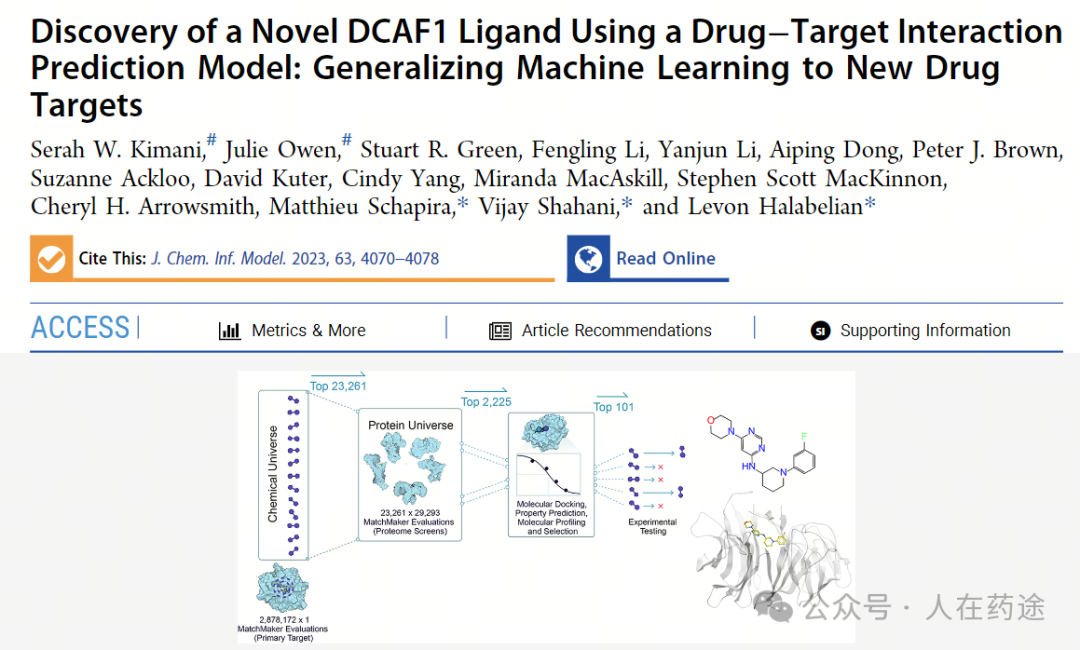
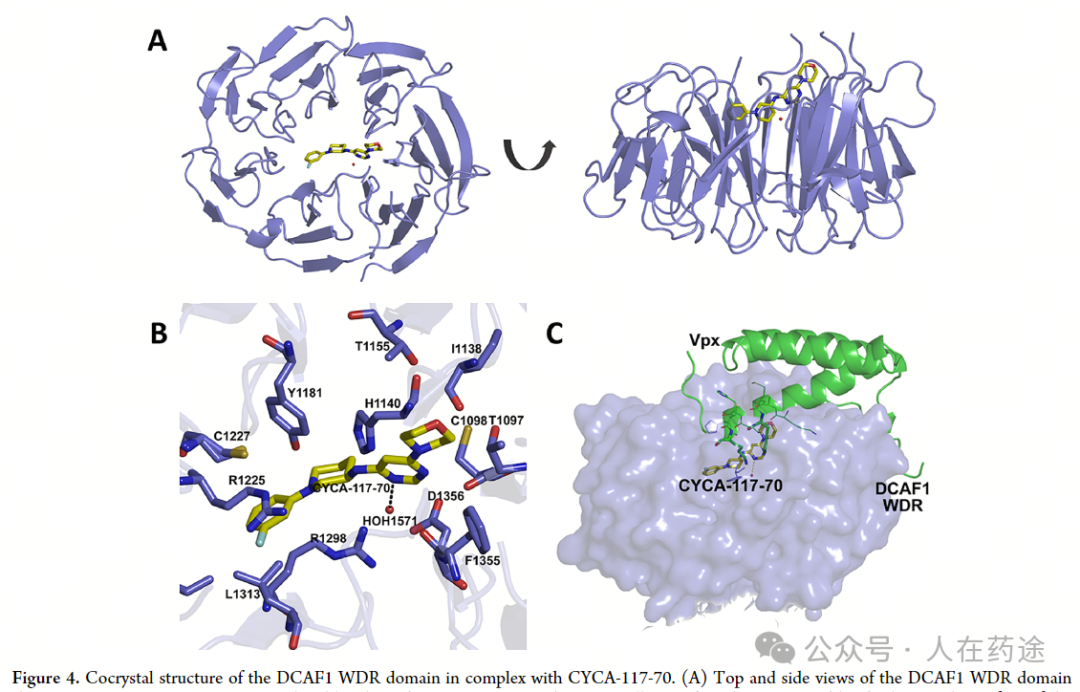
This article employed an artificial intelligence-based drug-target interaction (DTI) prediction model, MatchMaker, combined with cheminformatics screening and molecular docking techniques, to identify ligands for the WD40 domain (WDR) of DCAF1. Through virtual screening and in vitro experimental validation, an active compound, CYCA-117-70, was discovered. The structure of its complex with the DCAF1 WDR domain was resolved through X-ray crystallography, determining its binding mode.
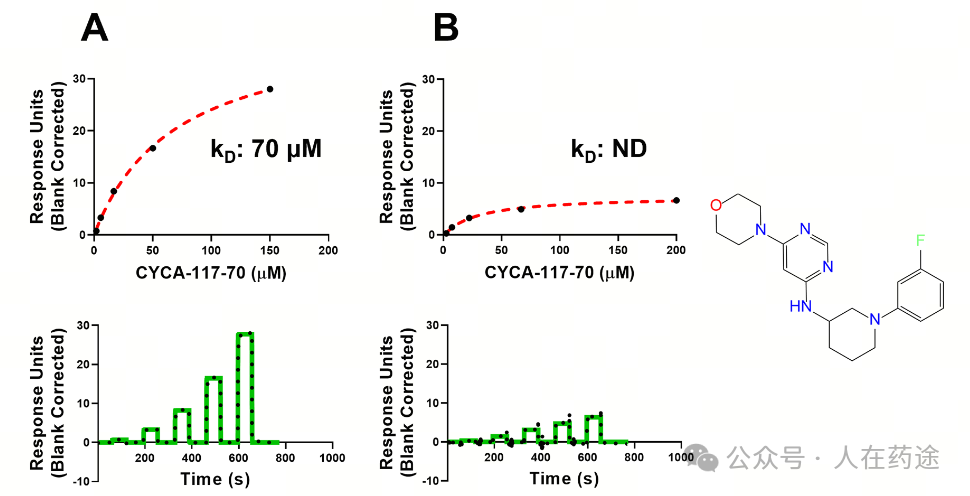
However, its activity is generally modest, with a binding affinity (KD) for the DCAF1 WDR domain of only 70 μM.
OICR-8268
An article from the University of Toronto published in the Journal of Medicinal Chemistry (J. Med. Chem. 2023, 66, 5041−5060) reported the screening of the WDR domain of DCAF1 using X-Chem's proprietary library of 114 billion compounds, successfully discovering the first nanomolar DCAF1 ligand, OICR-8268, with an SPR Kd value of 38 ± 1.5 nM, an ITC Kd value of 278 nM, and good target binding ability in cells (CETSA EC50 = 10.5 μM), providing new possibilities for the development of DCAF1-based PROTACs.
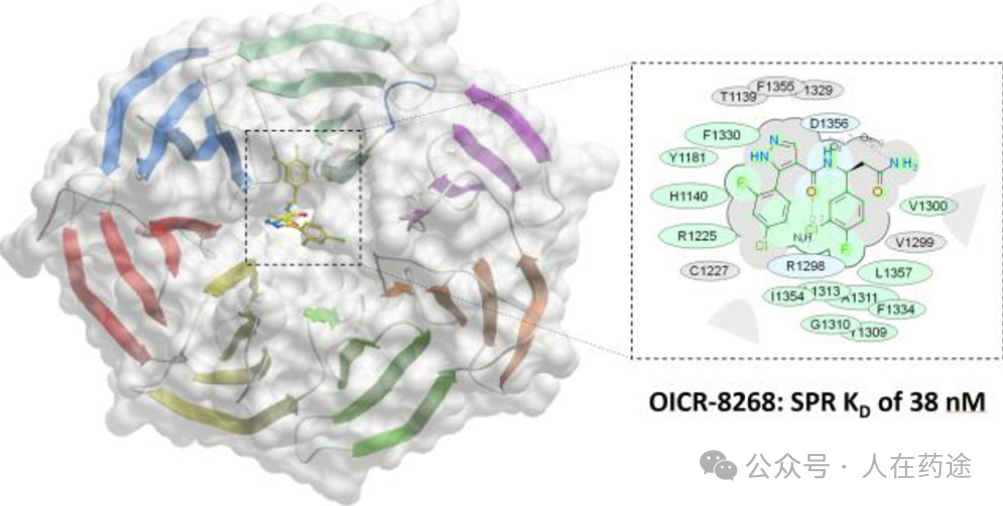
Researchers resolved the co-crystal structure of OICR-8268 with the DCAF1 WDR domain, confirming its binding mode and providing a structural basis for further optimization.
Cpd.13
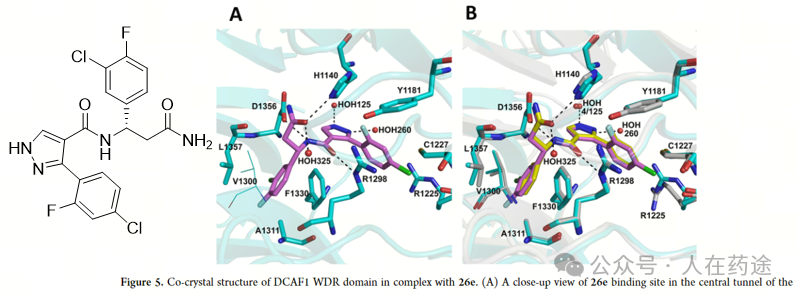
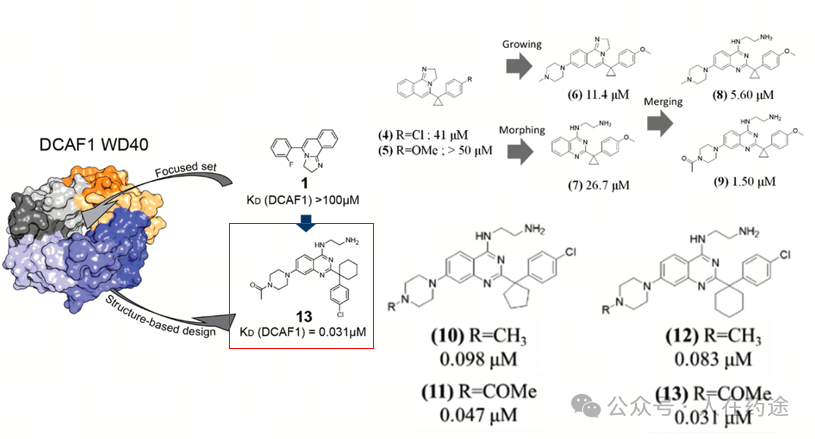
The Novartis team also reported in ACS Medicinal Chemistry Letters their findings based on pocket identification and hit compound discovery. Co-crystal structure analysis and structure-based drug design strategies led to the discovery of compound 13, with an SPR Kd value of 31 nM, which can serve as a starting point for developing DCAF1-based PROTACs (ACS Med. Chem. Lett. 2023, 14, 949−954).
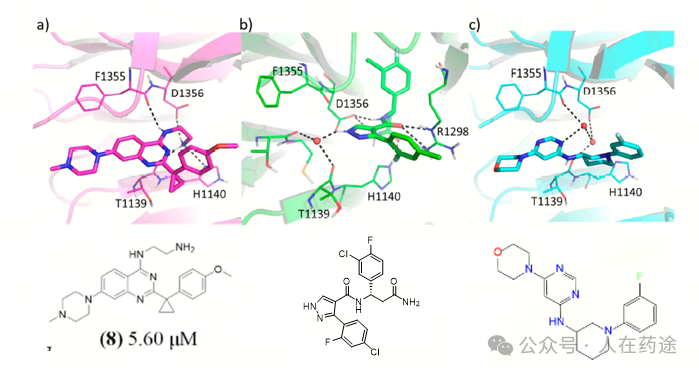
Interestingly, the article also summarizes the co-crystal structures of Cpd.8 with the previously mentioned OICR-8268 and CYCA-117-70, indicating that these three compounds with different scaffolds have similar binding modes. By comparing the binding modes of these compounds, guidance for further optimization of DCAF1 ligands can be provided.
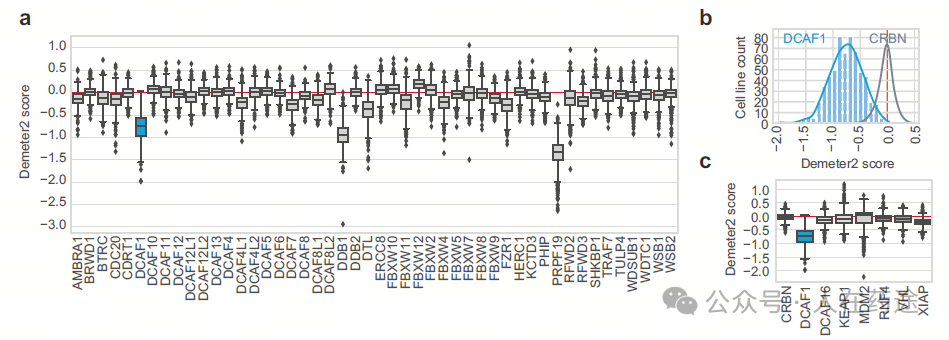
The story does not end here. In this year's Nature Communications, Novartis further reported the design of PROTACs based on Cpd.13, indicating that DCAF1 PROTACs are a promising strategy to overcome PROTAC resistance. DCAF1, as an essential gene, along with its distinct cellular localization compared to CRBN and VHL, makes it an ideal target for developing a new generation of PROTAC molecules (Nat Commun 15, 275 (2024)).
First, the article performed gene dependency scoring of DCAF1 compared to other E3 ligase receptors, indicating that DCAF1 is an essential gene, while CRBN and VHL are not. Currently, most PROTAC molecules rely on these two E3 ligases, which face resistance issues in clinical treatment.
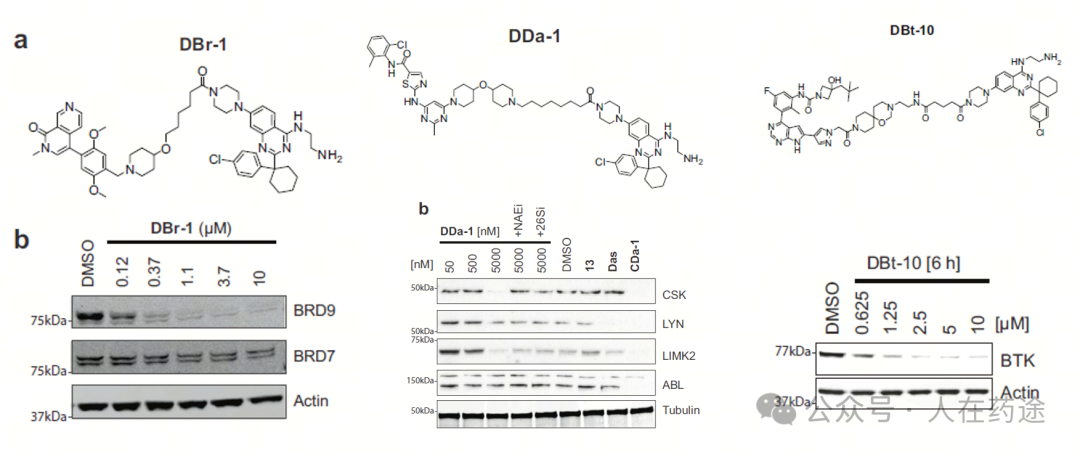
Next, using the non-covalent DCAF1 ligand Cpd.13, the researchers designed DCAF1-BRD9 PROTAC (DBr-1), a PROTAC based on the tyrosine kinase inhibitor dasatinib (DDa-1), and DCAF1-BTK PROTAC (DBt-10), all of which exhibited good degradation activity.
Furthermore, the researchers used CRBN-BTK PROTAC-resistant cell lines to demonstrate that DCAF1-BTK PROTAC can effectively degrade BTK and inhibit cell proliferation, while CRBN-BTK PROTAC lost its activity. This indicates that DCAF1 PROTACs can overcome CRBN-mediated PROTAC resistance.
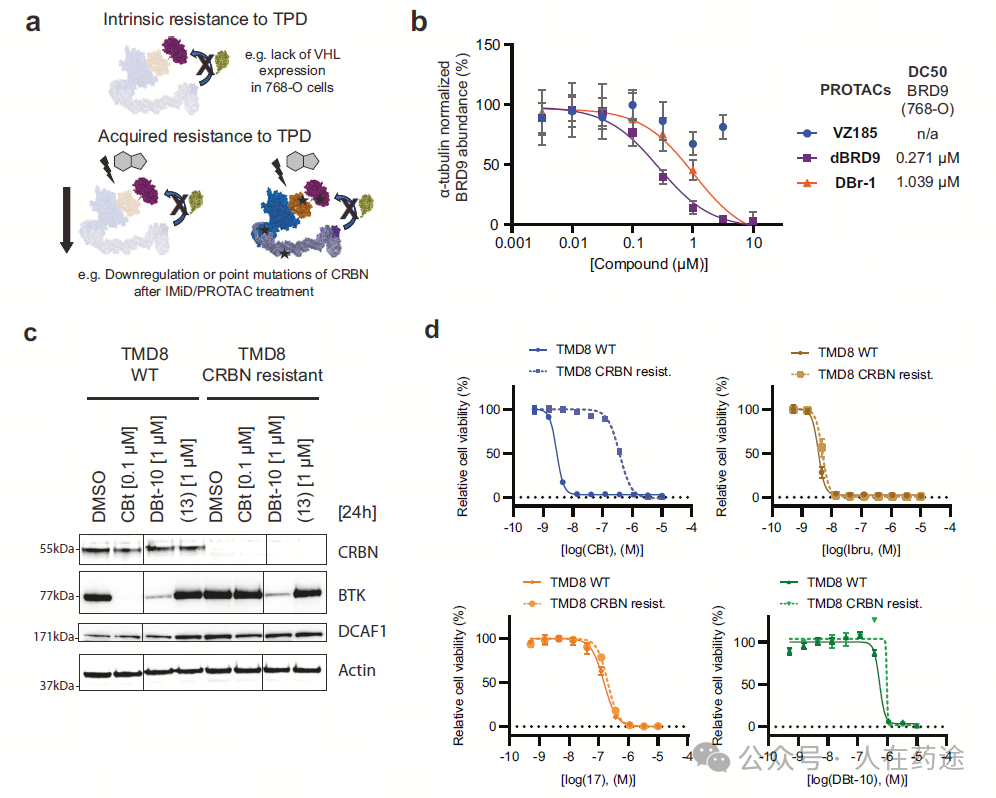
In summary, this study indicates that although the ligand structure and PROTAC activity still need optimization, DCAF1 PROTACs are a promising strategy to overcome PROTAC resistance. DCAF1, as an essential gene, along with its distinct cellular localization compared to CRBN and VHL, makes it an ideal target for developing a new generation of PROTAC molecules.
Patent Information
Cullgen, Ruiyue Biotechnology
Ruiyue Biotechnology's main research and development direction is to utilize its unique uSMITE™ technology platform to expand the company's E3 ubiquitin ligase toolbox.
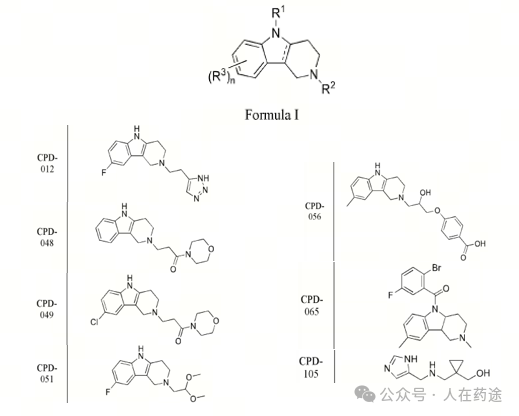
As early as 2022, Cullgen reported small molecule ligands for DCAF1 with novel structural scaffolds, patent WO2022194087A1.
However, the activity of this patent is not satisfactory. The representative compound has an affinity for DCAF1 of only Kd ≤ 40 μM (as shown below).
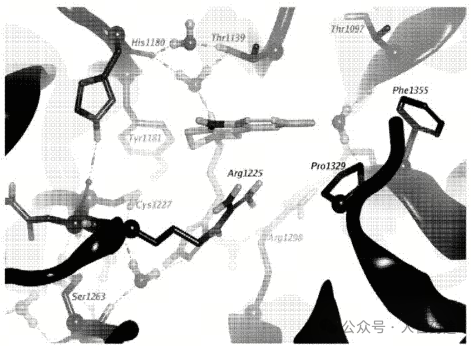
The patent also provides the co-crystal structure of a certain compound with DCAF1, showing that it binds to the same pocket site as the three compounds mentioned above.
WO2024056077A1, Cullgen's second patent. It is evident that the design of the patent compound references CYCA-117-70 discovered by Recursion.
The representative compound has an affinity of Kd ≤ 25 μM, which is an improvement compared to the previous patent. Like the first patent, it also has a co-crystal structure.
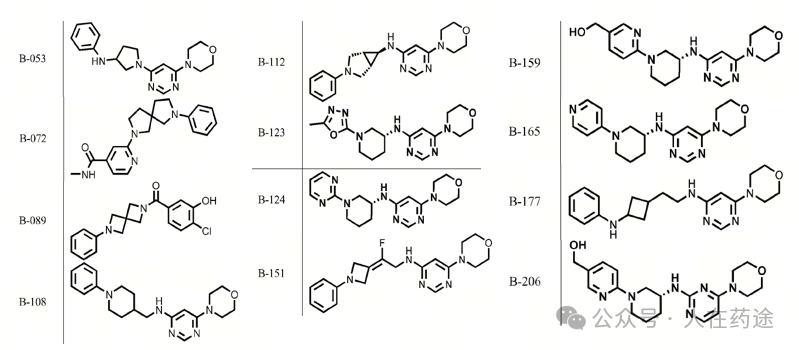
At the same time, there is a type of covalent ligand for DCAF1 in the patent, but its affinity activity with DCAF1 is not provided.
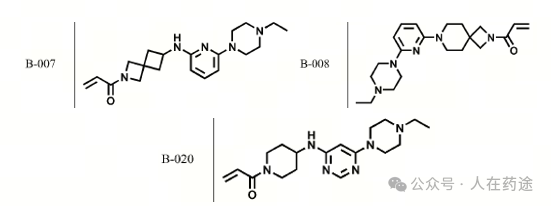
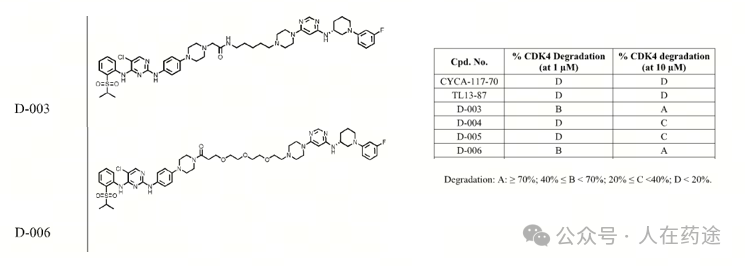
Furthermore, a series of PROTACs were designed based on CYCA-117-70 and the multi-kinase inhibitor TL13-87, showing moderate activity.
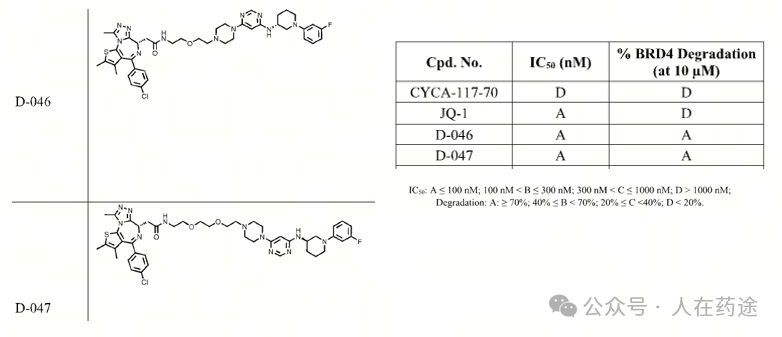
Naturally, BRD4 PROTAC is also indispensable, and its activity is acceptable.
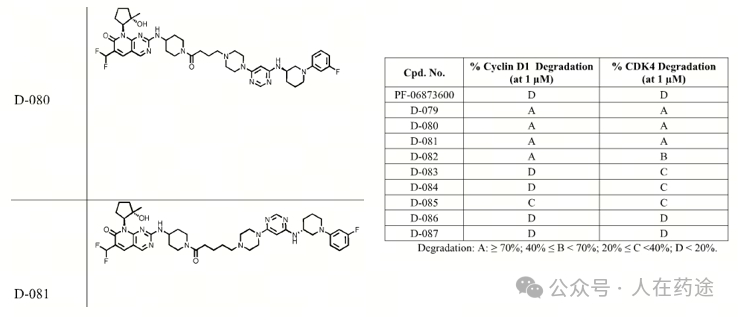
Based on the CDK2/4/6 inhibitor PF-06873600, a new CDK4 PROTAC was designed, showing a certain improvement in activity.
The patent also designs TYK2 PROTAC (activity not provided) and ERα PROTAC (moderate activity) based on the aforementioned new design of the DCAF1 ligand B-072.
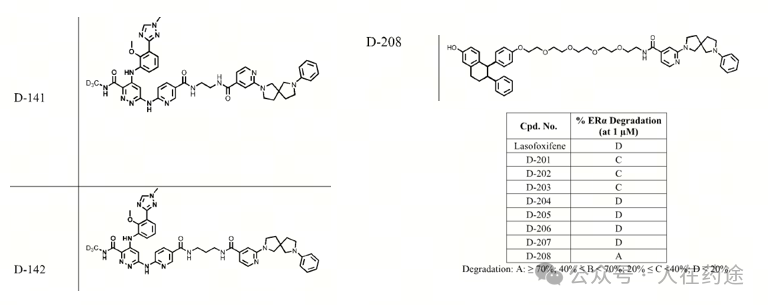
This patent successfully demonstrates the proof of concept for converting CYCA-117-70 into PROTAC, but the affinity, degradation activity, and linker design of such PROTAC molecules in the patent are still significantly distant from achieving the expected drug-like properties. The subsequent developments by Cullgen in this area are worth watching.
Kymera
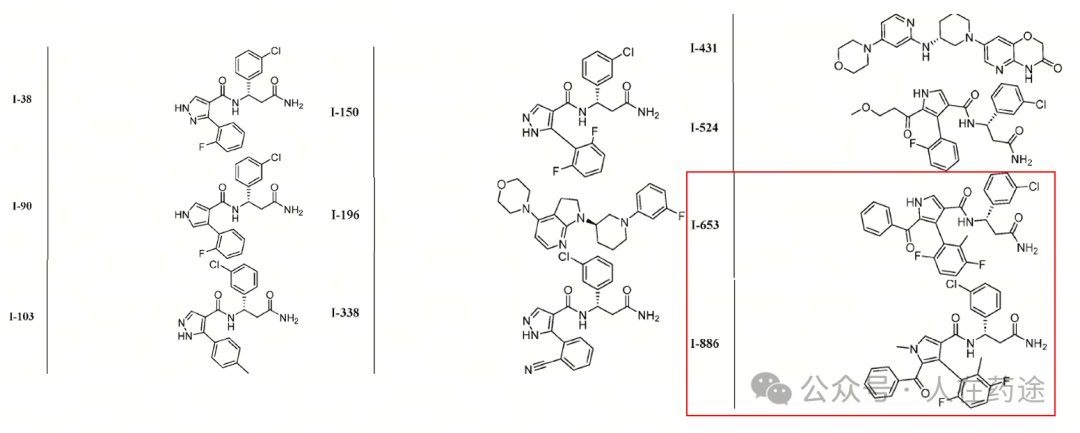
WO2024092009A1, Kymera's first DCAF1-related patent. The patent designs nearly a thousand DCAF1 ligand molecules. These molecules are divided into two categories: analogs based on CYCA-117-70 and analogs based on OICR-8268 (some are designed as covalent ligands, but with generally lower affinity). Some embodiments in the patent exhibit good DCAF1 affinity activity (Kd < 10 μM).
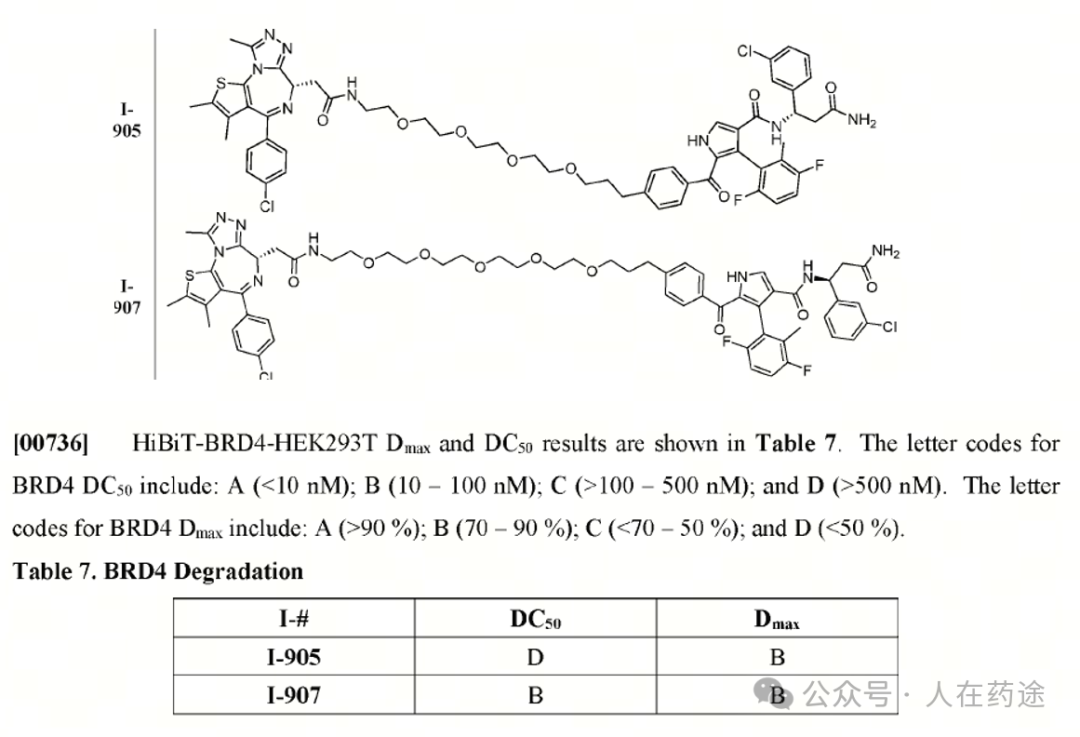
Furthermore, a series of BRD4-DCAF1 PROTAC molecules were designed based on the ligand molecule I-653. However, the patent only provides activity data for two examples. It can be seen that the optimal example I-907 exhibits good degradation activity, with a DC50 ranging from 10 to 100 nM and Dmax = 70 to 90%.
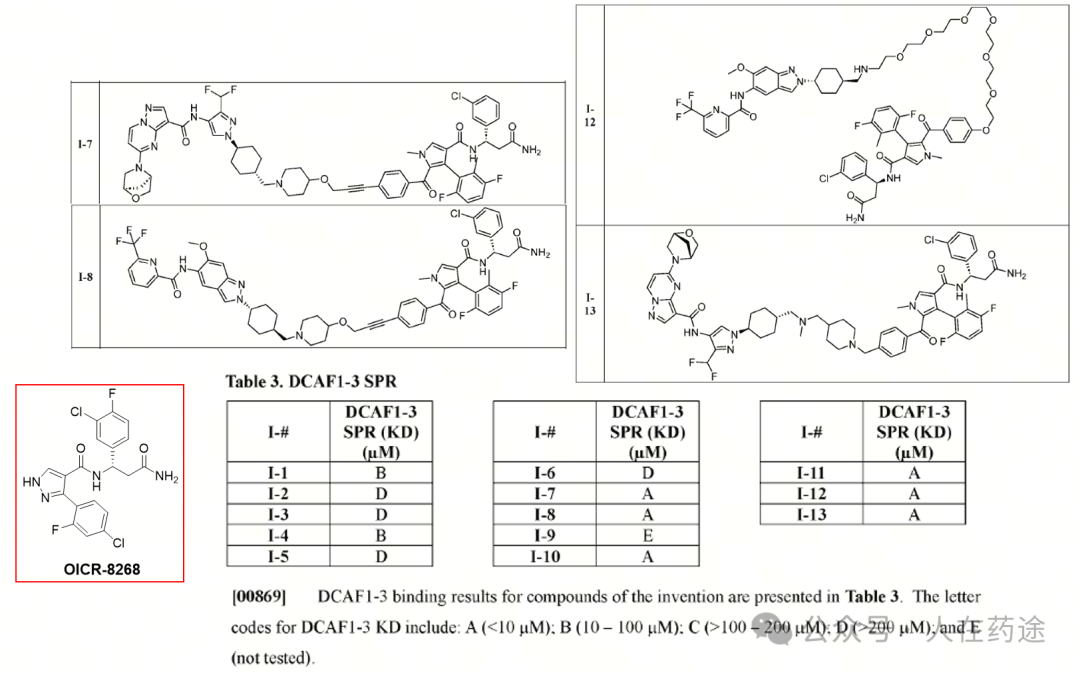
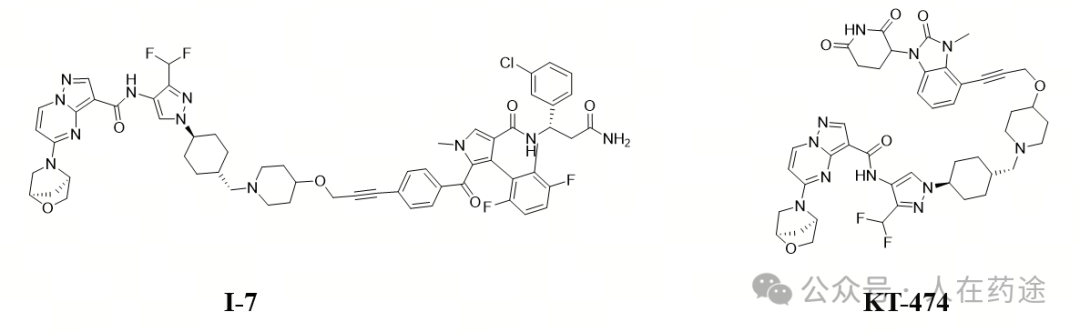
WO2024092011A1, Kymera's second DCAF1-related patent. The patent designs 11 IRAK4-DCAF1 PROTACs. It is evident that the DCAF1 ligand in the patent is I-886 from the first patent. However, the patent only provides the affinity of the PROTACs for DCAF1 and does not present these types of PROTAC molecules.
However, Kymera is currently concealing active data in the patent writing. Given that the affinity of OICR-8268 reaches 38 nM, the compounds in the I-653 series, which are derived from this modification, are unlikely to have a lower affinity than OICR-8268.
It can be clearly seen that the I-7 in the second patent uses the same warhead and linker as the Kymera clinical IRAK4 PROTAC molecule KT-474, with the only difference being the E3 ligand. Its drug-like properties are presumably assured to some extent.
Epilogue
Overall, given the necessity of DCAF1 and its specific tumor/tissue distribution, it is expected to become a new development direction in the field of TPD. At the same time, various DCAF1 ligands with different scaffolds, such as MY-11B, CYCA-117-70, OICR-8268, and Cpd.13, also lay the foundation for the development of DCAF1-based PROTACs and provide a good reference direction for future development of new DCAF1 ligands.
Meanwhile, Kymera's DCAF1 PROTAC appears to exhibit good degradation activity and drug-like properties. It is worth looking forward to any new developments that may follow.
As for other new E3s, a detailed introduction will be provided in the next article.
If you’re exploring new E3 ligase binders, DEL could be the game-changer you’re looking for. We can connect you with a well-established, cost-effective DEL provider to accelerate your research. Feel free to reach out – we’re here to help.
you can comment at bottom of the article or contact the author (https://www.linkedin.com/in/haixiang-pei-1a40b82b0/) on LinkedIn
As for other developments in this field, stay tuned for the next installment.